
– Timinesh Singhal
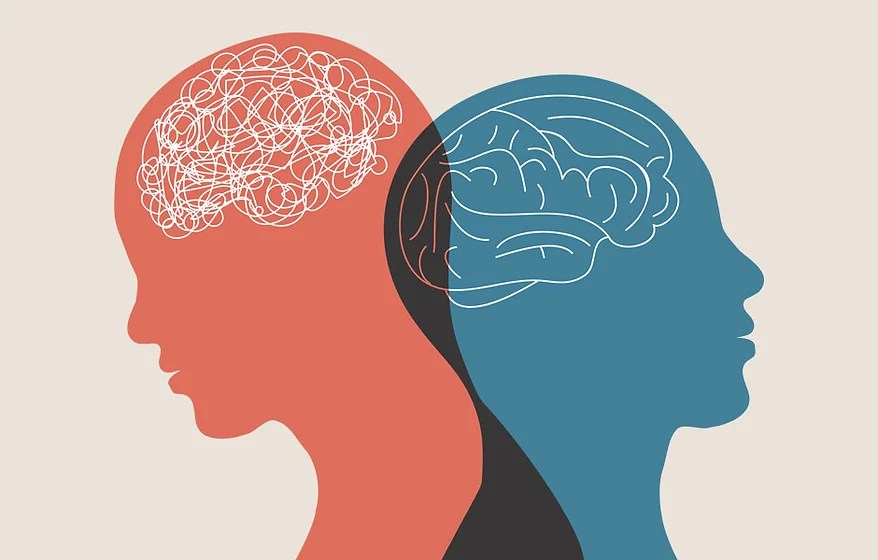
In the relentless pursuit of mastery, we invariably encounter the rocky path of stumbling, faltering and falling. Within this complex labyrinth of human endeavour, the intricate psychology of failure comes into sharp focus. The sage words of the renowned writer George Eliot resonate, “We are all failures – at least the best of us are.” Recent research conducted in 2019 has delved deep into the enigmatic realm of how individuals respond when they face failure. With over 400 participants, this groundbreaking study subjected them to a unique challenge – mastering a fictitious language.
This intriguing experiment involved a memory test, where individuals were asked about three pairs of cryptic symbols or “runes.” After a brief intermission, they faced a cunning twist – the same rune pairs were presented with the questions flipped. However, what the participants didn’t know was that their initial responses in the first round would dictate the meaning of the runes in the second round. In the first phase, some were fortunate, with their answers deemed correct regardless of accuracy, while others were compelled to face a string of failures. At the midpoint break, every participant held an identical reservoir of knowledge. It was in the second round that the true competition unfolded. Yet, despite the level playing field, those who initially succeeded continued to excel, while those labelled failures remained trapped in a cycle of defeat.
The common adage suggests that failure serves as a valuable teacher, a stepping stone on the path to improvement. However, extracting lessons from our missteps is not always a straightforward endeavour, especially when the failures are disheartening, overwhelming, or confounding.
So, what exactly obstructs our journey from failure to mastery? One immediate obstacle is the intense emotional pain that often accompanies failure. People typically aspire to perceive themselves as capable and proficient, and experiencing failure poses a direct threat to this self-image. A post-study survey in the group labelled as failures indicated significantly diminished levels of self-confidence.
It’s tempting to dismiss this emotional setback as a fleeting inconvenience. Yet, research has unveiled that feelings of demoralisation and incompetence can halt the brain’s ability to assimilate new information. This suggests that if the blow to one’s self-esteem is significant enough, it can undermine the capacity to learn. However, an individual’s tolerance for failure is also intertwined with their connection to the specific task at hand.
In a 2011 study, researchers surveyed American students enrolled in introductory and advanced French courses, inquiring about their preferences regarding teaching methods. The findings revealed that beginners leaned toward educators who emphasised their strengths and successes, while advanced students favoured instructors who pinpointed their mistakes and offered constructive criticism.
The rationale behind these preferences varies. Novices in the early stages of learning are still in the process of determining their commitment to the subject, making positive reinforcement a potent motivator. In contrast, advanced students, already deeply invested, prioritise efficiency in skill enhancement. As expertise is cultivated, failures become an integral aspect of the journey, resulting in an increased tolerance for making mistakes.
Yet, regardless of one’s level of expertise, it is invariably simpler to learn from successes rather than failures. For instance, imagine receiving the results of an exam. A stellar grade signifies that one’s study strategies and choices were sound, enabling replication of those successful methods for future tests. In contrast, a failing grade introduces ambiguity, as it could stem from various factors—insufficient study time, an incorrect approach, or perhaps unrealistic exam expectations. In such cases, pinpointing the exact cause of failure becomes challenging, hindering the process of improvement.
The desire to learn from our failures is innate and commendable, as embracing resilience and nurturing a growth mindset are undeniably valuable. Nevertheless, fixating on one’s failures can lead to a tendency to overlook their successes. It’s essential to recognise that building upon one’s strengths and positive achievements can often be more efficacious than dwelling on past mistakes.
 The Echo