
-Aanya Jaidka
“The 1983 triumph was a shock. The 2011 one was the fulfilment of a promise, and 2023 was supposed to be inevitable, until it wasn’t.”
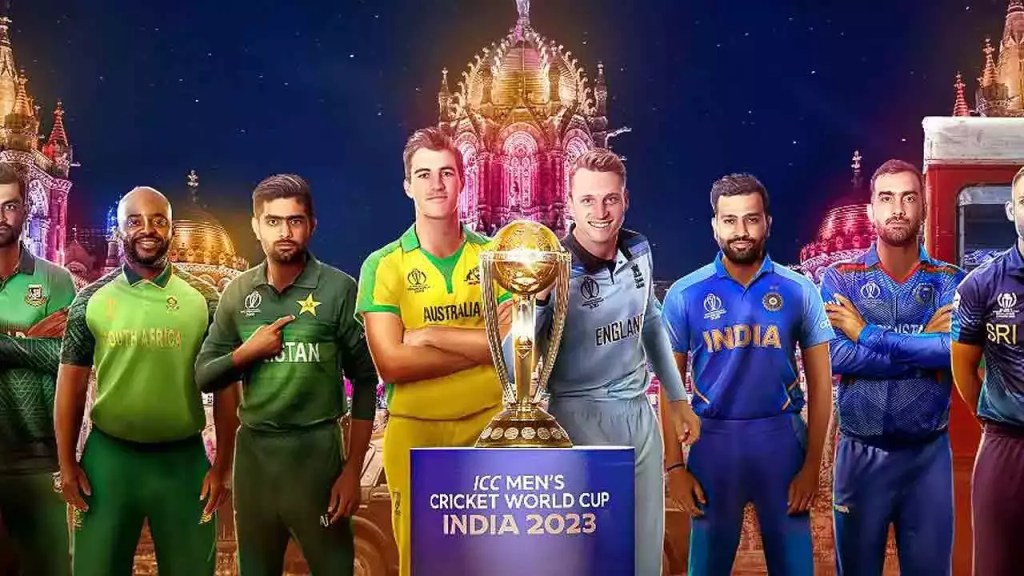
Cricket in India isn’t just a sport; it’s an emotion. The 13th edition of the ICC Men’s Cricket World Cup returned to Indian soil after a 12-year wait. The World Cup event spanned a full 46 days, featuring a total of 48 matches that were spread across ten major cities in India. The ICC, along with its broadcast partner Disney Star, has reported that this edition of the event has broken records for in-stadium attendance and broadcast viewership. The governing body has also said that a total of 1,250,307 spectators watched the 48 games at the grounds in India, while Disney Star reported that almost half a billion tuned in for the World Cup, making it the biggest World Cup ever according to BARC data in India.
Viewers were in for a surprise as they watched the defending champions, England, get eliminated in the group stage after losing six matches out of the nine they played. Even the handful of people who had doubts in England’s chances of reaching the semi-finals couldn’t have fathomed the magnitude of their downfall. By the end, the team was placed in 7th place above Bangladesh, Sri Lanka and the Netherlands.
Australia demonstrated a remarkable turnover in the World Cup, bouncing back strongly after losing their first two matches to secure victories in the following eight matches and finally becoming the ICC Men’s Cricket World Cup champion for the sixth time. The highlight of the team’s performance, however, was Glenn Maxwell’s remarkable performance, as he scored an unbeaten 201 runs in the match against Afghanistan and broke numerous records en route. Maxwell’s knock also helped Australia qualify for the semi-finals, after India and New Zealand.
India produced top-notch performances at the ICC Cricket World Cup 2023 and came into the final with ten wins on the trot. The team, led by Rohit Sharma’s belligerence, Virat Kohli’s assurance and Mohammed Shami’s excellence, not only took India till the finals for the fourth time but also assisted in the players breaking several records. Virat Kohli topped the run-scoring charts as he scored a staggering 765 runs, becoming the first to cross 700 runs in one edition of the World Cup, while Mohammed Shami became the fastest to 50 wickets in World Cups, achieving this feat in just 17 World Cup matches.
The 2003 final was repeated as Australia and India faced each other at the Narendra Modi Stadium in Ahmedabad, where well over 100,000 fans turned out to witness history. Australia became the World Cup 2023 winner by defeating India in the final match by 6 wickets. The match saw Australian opener, Travis Head score an impressive 137 runs in 120 balls and clinching the title of Man of the Match.
Despite the Men in Blues’ efforts on a challenging field, it ended up being a case of so close, yet so far.
While the focus is undeniably on the thrilling matches and fierce rivalries, there’s another game in play—the one that fuels the Indian economy.
Economists at the Bank of Baroda estimated that the ICC Men’s Cricket World Cup brought a massive $2.4 billion into India’s economy. Another report from BQ Prime echoes this sentiment and reports an economic boost of a whopping Rs 13,500 crore. As the matches unfolded, it was not just the boundaries and wickets that were in focus—the economic scorecard promised to keep us equally enthralled.
In conclusion, the ICC Cricket World Cup 2023 not only represented a magnificent homage to the sport but also showcased India’s remarkable economic power as it flawlessly demonstrated its unrivalled ability to organise a global sporting event.
 The Echo