
-Ayaan Unni
Turkey not only has a new name but also a rather new attitude and ambition. They have literally defined the term “quid pro quo” and managed to ensure that they turn a relatively complicated and sensitive situation to their advantage. The world we live in today can be defined as a globally interconnected one with almost a hypersensitive butterfly effect in progress, perennially.
However, paradoxically, at the same time, the governments that run it localise issues and benefits to ensure that they stay in power with utter disregard to impact on human life in other countries.
Turkey, very opportunistically, has taken advantage of a weakened Russian leader and the desperate need of the United States and Sweden to ensure they solve their own Kurdish incursion issue and also get the required F-16s from the US, apart from ensuring Canada lifts an arms embargo placed earlier on it.
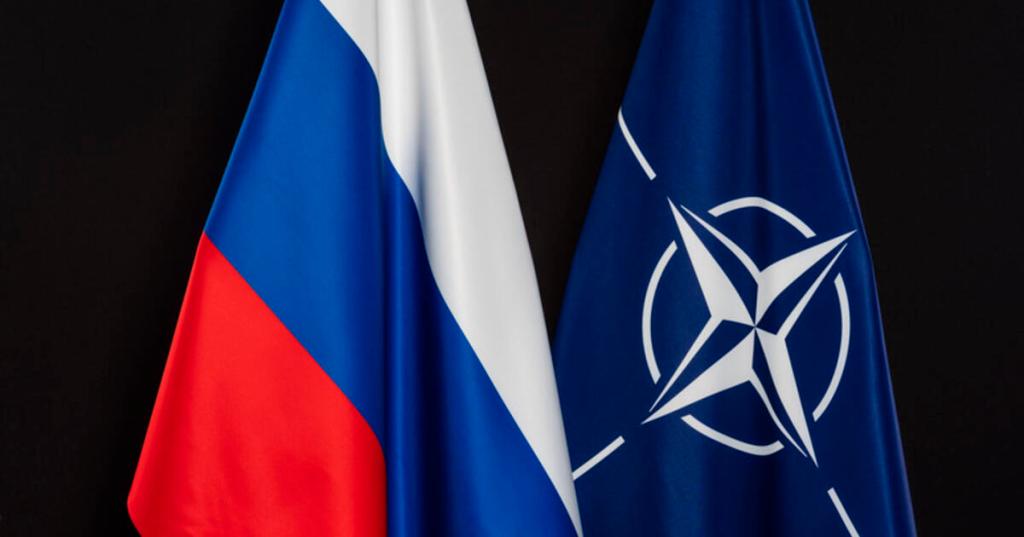
So where does this leave Russia? Considering the fact that Turkey is arguably its only ally in the EU, Russia can obviously not break ties with them. The war in Ukraine has had many downsides for Russia, but simultaneously, it has had many upsides too. So all things weighed in, Russia is unlikely to take any tangible and evident action at this stage. Instead it will continue to play the agenda game using newer and more interesting conflicts that the US and its allies support, such as the Hamas-Israel war. Apart from these cyberattacks and disinformation campaigns, Russia will continue its grey zone tactics to undermine NATO’s position in the Nordic-Baltic-Arctic region by initiating attacks on infrastructure such as oil pipelines, undersea cables, etc. Putin has already shown with Finland’s membership that he sees NATO’s expansion as a further provocation. Finland closed its land border with Russia after seeing an unusually large number of migrants arrive there in November. Finland’s foreign minister called it “hybrid warfare,” accusing Russia of retaliating against Finland joining NATO by using migrants to cause internal divisions in the country.
Putin has vowed to build up military units near the Russian-Finnish border. The Kremlin leader declared, without giving details, that Helsinki’s NATO accession would create “problems” for them. Russia has already summoned the Finnish ambassador in Moscow over a recent agreement signed between Finland and the US to grant the US access to the Finnish long border with Russia.
All these events push the world one step closer to a full nuclear response by Russia as a last-ditch attempt by a desperate leader to assert his supremacy. Russia has not been humble about its nuclear arsenal, or its officials being reluctant about the possibility of using it either as a deterrent or as a final response. The bottom line of this conflict is that Russia cannot lose this war against Ukraine. It might not have the keen interest to start another one with NATO, however, if things do go south then a possible nuclear response against NATO seems quite imminent. NATO has already made a scapegoat out of Ukraine and backed by the US it would be willing to go to any lengths to ensure that it asserts its dominating influence in Europe.
To look at it from another perspective, using a nuclear weapon even against NATO would hurt Russia more than it would benefit them. Not only will it lose important allies like India and China, but it will also replenish the fading, limited freebies that the West is offering Ukraine.
Surely the world does not have unlimited supplies to keep supporting Ukraine if this war continues. Oil-rich Russia on the other hand, seems to have figured out how to endure a rather never-ending war fighting it conventionally and slowly but surely gnawing at Ukraine from its borders. Whether the West will renew its interest in supporting Ukraine or whether Russia will eventually fail in its attrition warfare, only time will tell.
Currently, all options seem to be on the table, and the world seems to be just living every day as it rises.
Irrespective of the outcome, Russia will eventually recover from its current military as well as economic weakness. However, this war will ensure that all parties in the conflict, whether it’s Russia, Ukraine or NATO.
 The Echo